

Frequently Asked Questions
What actually makes bronze-drawn pasta different?
Most pasta at the grocery store is made with Teflon dies — smooth, fast, cheap. The pasta it produces is perfectly uniform and sauce just slides right off it. Bronze dies create a rough, porous surface that sauce actually grabs onto — you can see it happen the moment you toss the pasta in the pan. That’s the whole explanation. We use bronze. It costs more, takes longer, produces better pasta. Not a complicated choice.
What is furosine, and what does it tell you about how pasta was made?
When pasta is dried at high temperatures — industrial operations run at 110°C or above to move fast — a compound called furosine accumulates as a direct marker of protein damage. Lysine, an essential amino acid, gets partially destroyed in the process. The numbers are stark: slow drying at 50–70°C over 36 or more hours produces furosine levels around 70–80 mg per 100g of protein. Industrial drying can push that past 500–600 mg per 100g — six to eight times higher. Animal studies have documented liver and kidney effects even at low concentrations. There is no legal limit for furosine in dry pasta under Italian or EU law — it doesn’t have to appear on any label. A low-temperature drying process is expensive and slow. It’s the choice a producer makes before anyone is watching.
What makes ancient grain pasta different — and what doesn’t?
Here’s the honest version, because the oversimplified one does nobody any favors. The genuine nutritional differentiator in pasta is whole grain versus refined — not ancient grain versus modern wheat. Whole grain pasta, whatever the variety, preserves the bran and germ where fiber, minerals, and slow-digesting starch actually live. Where ancient grains earn their place: flavor — more complex, nuttier, earthier than modern industrial durum, and that difference is real. And the science supports it: pasta dried at low temperatures preserves more slowly digestible starch than pasta dried at high heat, especially for wholemeal varieties. One more thing worth knowing: conventional wheat is routinely sprayed with glyphosate as a pre-harvest desiccant — directly on the crop in the final weeks before harvest, leaving residues on the grain itself. Organic certification prohibits this. All our pasta is certified organic.
How do I actually cook this pasta right?
Lots of vigorously boiling, heavily salted water — at least 4 cups (1 liter) per 100g. Don’t trust the package time: ancient grain pasta often cooks faster than expected. Pull it 2 minutes early and finish it straight in the pan with your sauce and a big splash of pasta water. That cloudy, starchy pasta water is the ingredient every Italian uses and most recipes skip — it’s what makes sauce cling to the pasta instead of pooling at the bottom of the bowl. The porous bronze surface is doing the work. Let it.
What makes Italian heritage rice worth paying more for?
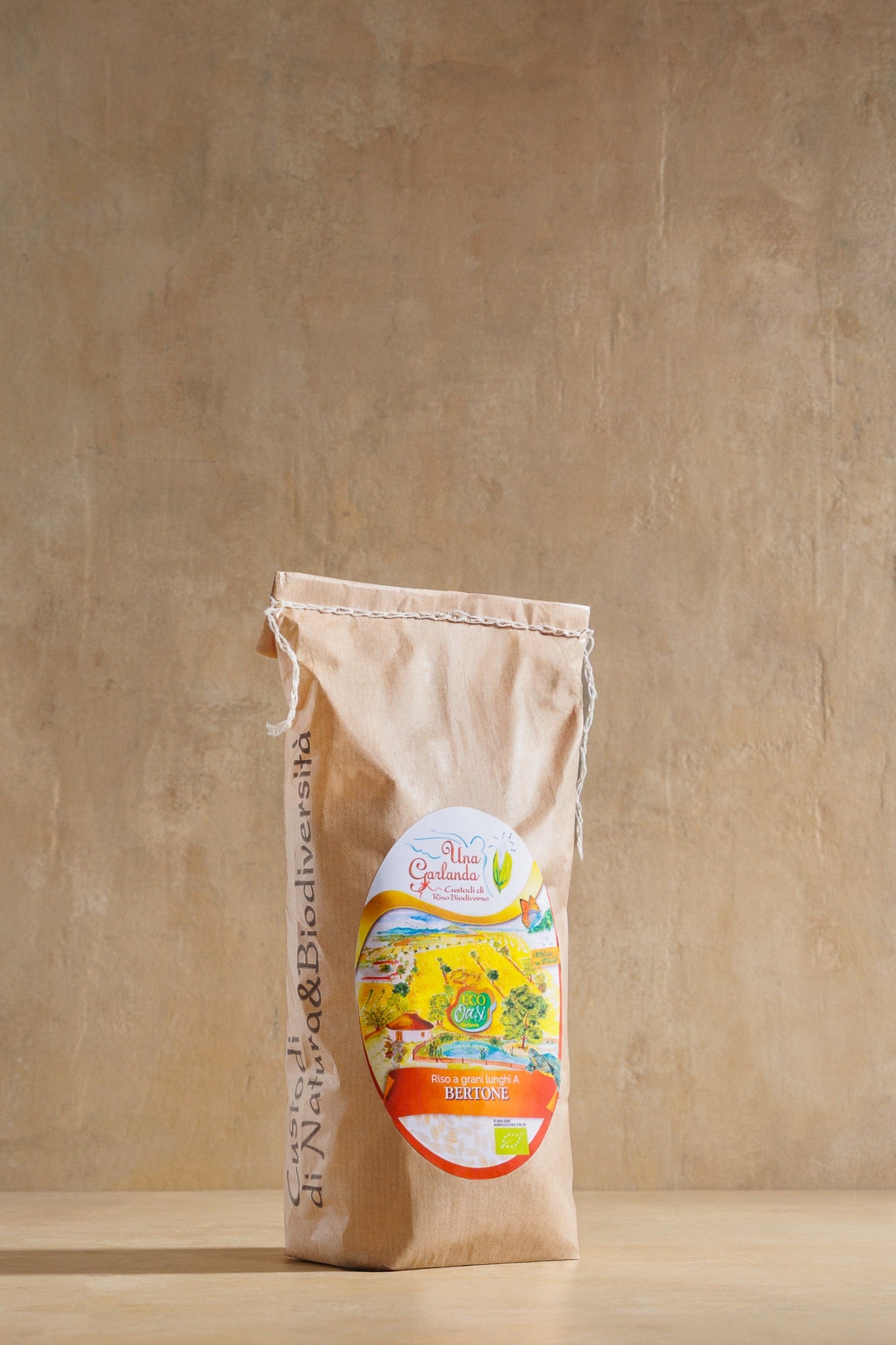
The rice at your grocery store is almost certainly a modern variety bred for uniform appearance, fast yield, and easy harvesting — not for flavor. Italian heritage rice (varietà da conservazione) are ancient cultivars that predate industrial agriculture. Many were literally abandoned because they were too awkward to harvest with modern machinery. That inconvenience is part of what makes them special: slower, lower-yield, more complex. Grown in Italy’s Vercelli rice triangle under certified organic conditions — glyphosate-free farming genuinely matters in rice paddies, which are sensitive closed water systems. The flavor and cooking behavior are a completely different world from supermarket rice.
More to discover
Discover more of Italy’s hidden treasures — carefully selected specialties that share the same values of authenticity, craftsmanship, and taste. Each one tells a story of passion and tradition, meant to bring the true spirit of Italian cuisine to your table.
-
Conchiglie Rigate Pasta
Mulino Val D'orcia Ships July 2026Regular price $11.00Regular price -
Ships July 2026
-
Einkorn Fusilli Pasta
Mulino Val D'orcia Ships July 2026Regular price $14.00Regular price


