

Frequently Asked Questions
Can I substitute rice flour 1:1 for wheat flour?
Not in yeast breads: rice flour has no gluten, so it can't build the structure a loaf needs. It shines elsewhere: crisp batters for frying, thickening sauces and soups, shortbread, pancakes and tender cakes. For baking, use recipes written for rice or gluten-free flour, or replace up to a third of the wheat flour in a recipe you know.
What's the difference between white and wholegrain rice flour?
White rice flour is milled from polished rice: fine, neutral and light, ideal for batters and delicate cakes. Wholegrain rice flour keeps the bran, so it is nuttier, slightly darker and richer in fiber. Keep wholegrain flour in a cool place and use it within a few months, because the natural oils in the bran can turn.
What is Taragna Wild, and how do I cook it?
It is Ferdy Wild's polenta flour: coarse, stone-ground whole cornmeal from three heirloom Lombard maize varieties. Bring about 2 quarts (2 liters) of salted water to a boil, whisk in the flour and cook for about 30 minutes, stirring often. Serve it soft, or the Bergamo way, with melted cheese and sage butter.
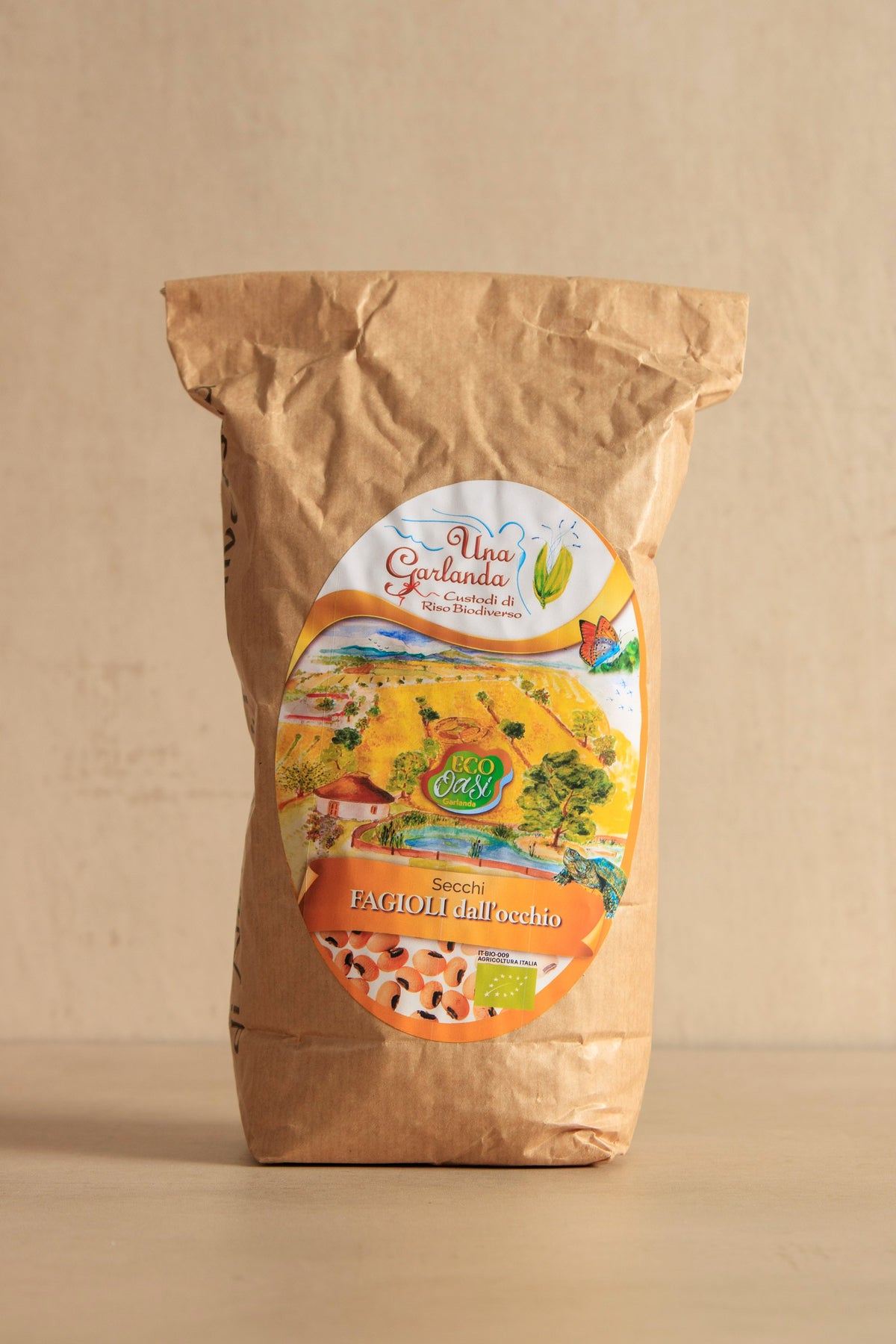
How do I cook the black-eyed peas?
Soak them in cold water overnight, drain, then simmer in fresh water until creamy inside, about 30–45 minutes. Add salt near the end. You can also cook them without soaking; allow about an hour. They are lovely in soups with rice, with pasta or as a salad with olive oil.